What is an anti-rust paint for iron?
A paint/coating formulated to block iron oxidation and protect it from atmospheric agents. It is used in a system: substrate preparation → anti-rust primer → finish coating in color for long-lasting protection.
What is the best paint for exterior iron?
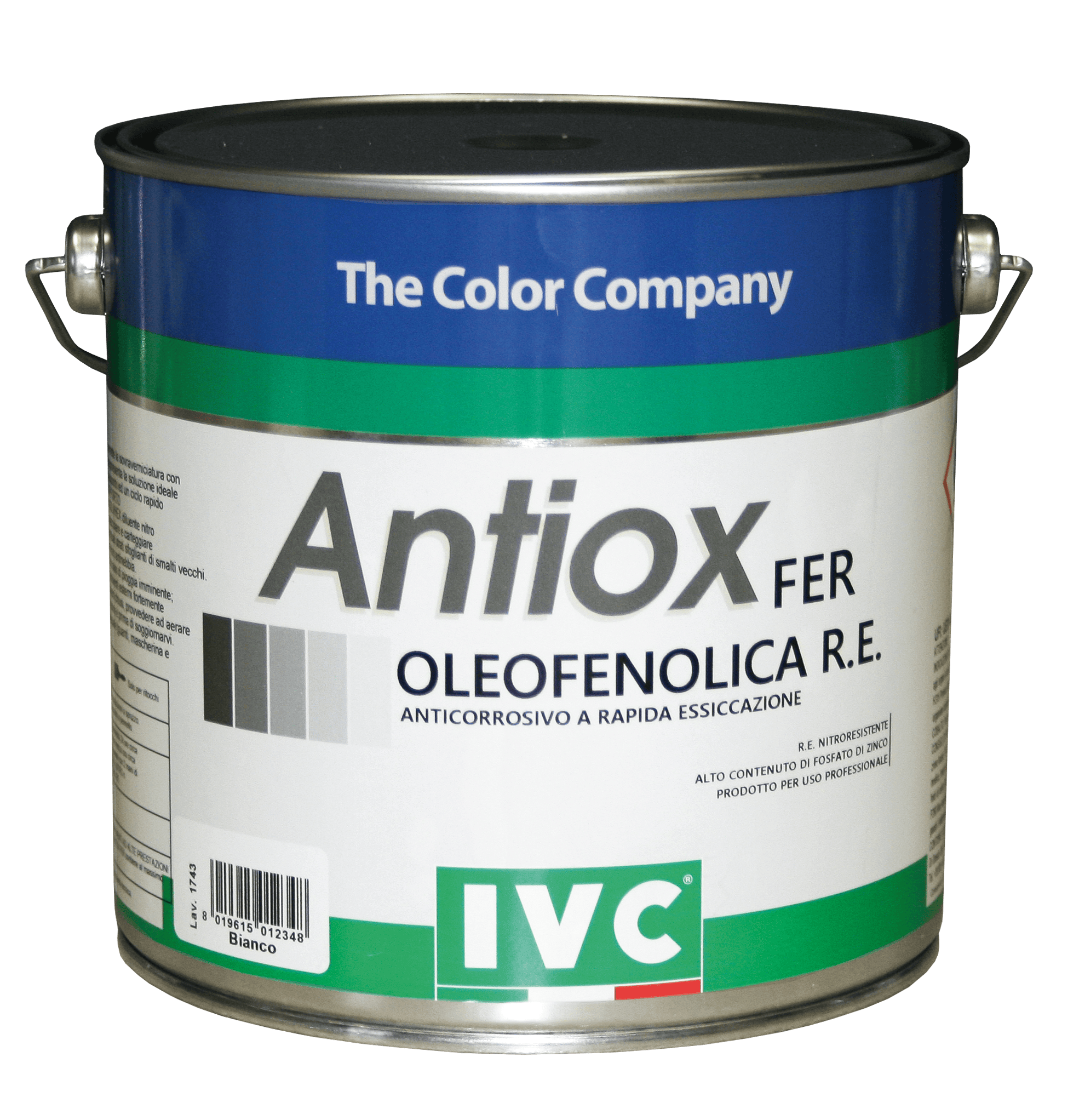
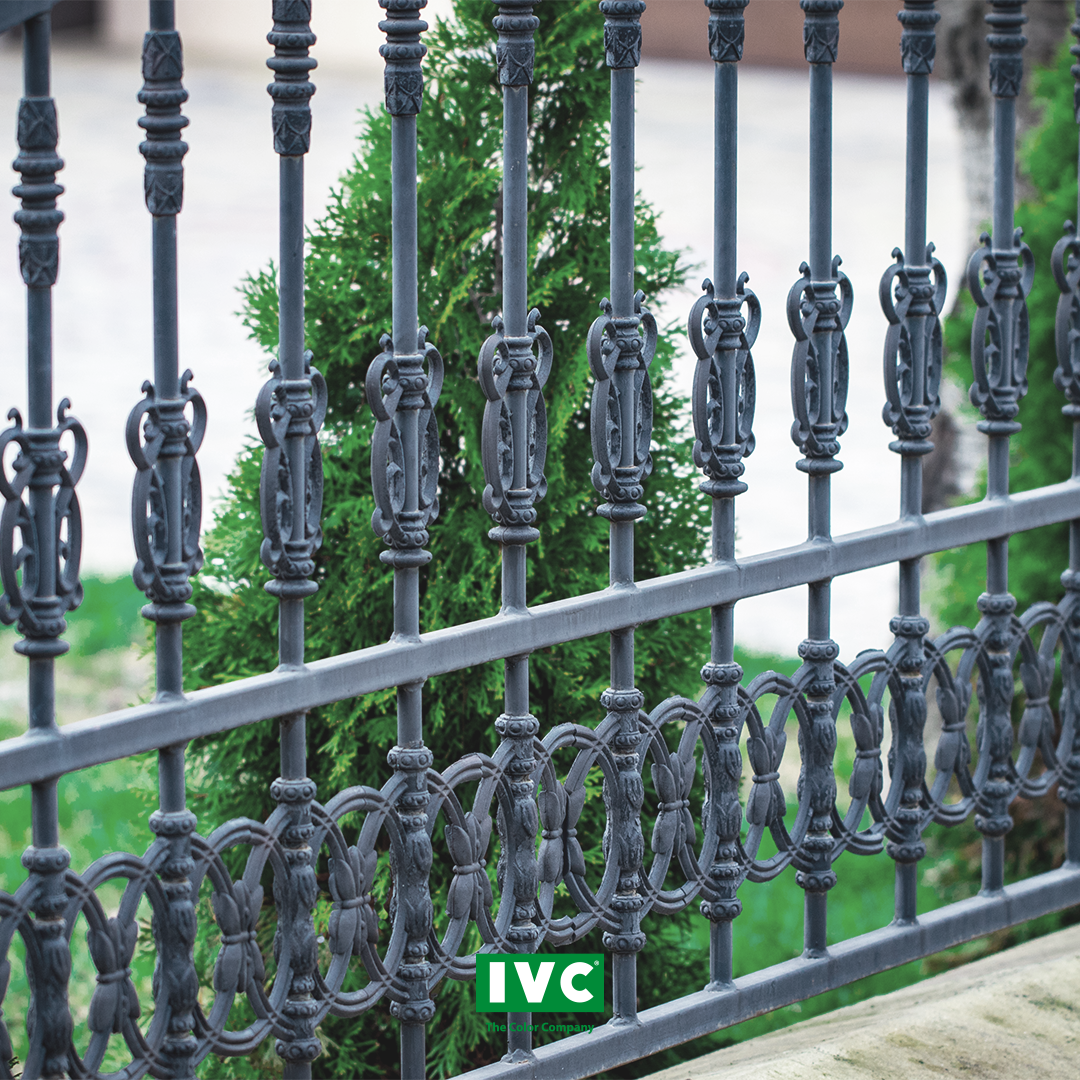
For railings and gates: Antiox primer + Veronese Sintolux coating. For galvanized or difficult substrates: Veronese Opaline. Both can be tinted with the IVC tinting system to combine protection and aesthetics.
How to paint a rusty railing (in 4 steps)?
- Removal of rust/old paints with sanding or paint stripper.
- Degreasing with Surface Cleaner.
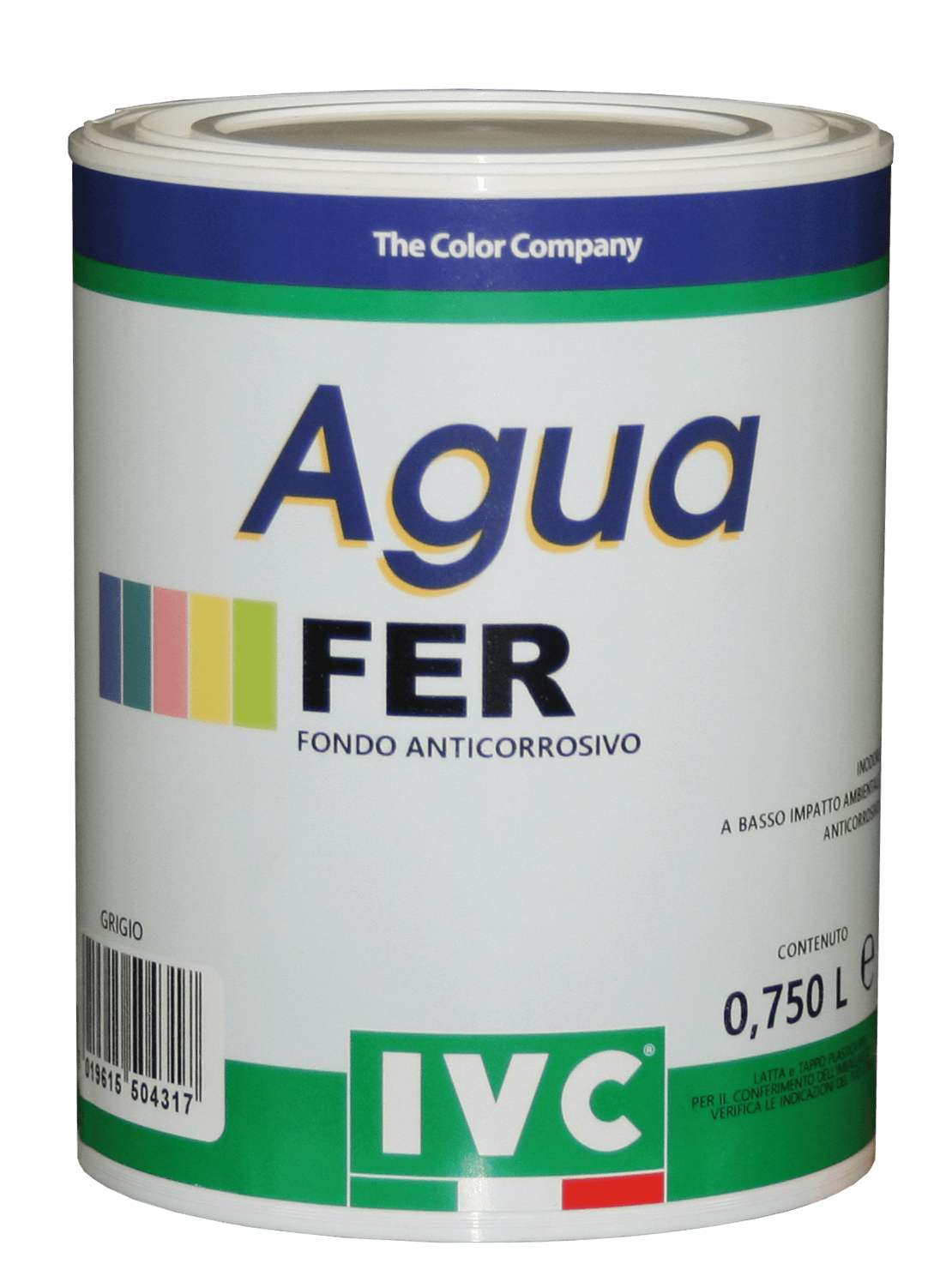
- Primer Antiox (or water-based Aguafer).
- Anti-rust coating for iron (Sintolux/Opaline) in color.
Result: anti-corrosive protection and uniform finish.
Paint for exterior iron: which to choose?
Choose a primer + anti-rust coating system: Antiox + Veronese Sintolux.
Technical note: in areas exposed to salt spray, increase coats and thickness.
Why IVC: professional systems with the same tinting system across the entire line.
Anti-rust coating or paint?
For iron, we refer to coating (finish) and anti-rust primer (primer). Both are needed for durability and adhesion.
Technical note: verify solvent/water compatibility.
Why IVC: complete range for guaranteed systems.
Paint for galvanized iron: what to use?
Veronese Opaline coating, designed also for galvanized substrates.
Technical note: clean and dull the sheet metal/galvanized surface to improve grip.
Why IVC: high adhesion on “difficult” substrates.
Paint for rusty iron: how to proceed?
Remove rust and old layers, degrease, Antiox primer, then anti-rust coating.
Technical note: remove flakes down to sound metal.
Why IVC: anti-corrosive primers with excellent substrate wettability.
Best paint for exterior iron with anti-rust
Recommended system: Antiox + Veronese Sintolux; on galvanized, Opaline.
Technical note: respect recoating times.
Why IVC: quality and performance for applicators and companies.
Epoxy paint for iron: when is it needed?
For very demanding environments (chemical/industrial), consider specific epoxy systems.
Technical note: follow technical data sheets and system combinations.
Why IVC: technical consulting for complex construction sites.
How to dilute anti-rust paint for iron?
- Synthetic coatings: synthetic thinner (percentages in data sheet).
- Water-based coatings: clean water.
Technical note: avoid over-dilution which reduces coverage.
Why IVC: clear and uniform instructions across the entire line.
How to clean brushes from anti-rust coating for iron?
- Synthetic: thinner;
- Water-based: water and soap.
Technical note: clean immediately after use.
Why IVC: systems designed to simplify work on site.
Temperature for painting iron
Ideally +10°C / +30°C, avoiding direct sunlight/high humidity.
Technical note: stable conditions = better curing.
Why IVC: data sheets with clear operating ranges.
Transparent paint for iron: does it make sense?
Better to use opaque coating: it protects and evens out. Transparent coatings on iron have more limited protection.
Technical note: the primer remains essential.
Why IVC: anti-corrosive performance is a priority.
How long does an anti-rust paint job last?
It depends on preparation, thickness, and exposure. With correct system and scheduled maintenance, durability is multi-year.
Technical note: preventive touch-ups in critical areas.
Why IVC: tested systems for consistency over time.
How many coats are needed?
Generally 1 coat of primer + 2 coats of coating.
Technical note: respect the recommended dry film thickness.
Why IVC: uniform instructions, easy to replicate.
How to remove paint from iron (before redoing)?
Sanding or paint stripper, then degreasing.
Technical note: aim for a cohesive and clean substrate.
Why IVC: Surface Cleaner and dedicated primers for quick restoration.
Water-based or synthetic anti-rust coating?
- Water-based: less odor, interior/inhabited environments.
- Synthetic: maximum outdoor resistance.
Technical note: choose based on destination and climate.
Why IVC: both options with professional performance.
Color for exterior iron (anthracite gray, etc.)
Thousands of tints available with IVC tinting system.
Technical note: dark colors heat up more in the sun.
Why IVC: same color formula across the entire system.
Food-grade paint for iron/special environments
Use certified products and systems compliant with sector regulations.
Technical note: always verify technical data sheets.
Why IVC: dedicated lines and certifications, technical support on request.
Automotive note: requests for “paint for iron/aluminum wheels” should be handled by specialized body shops; it is not within the scope of light construction.
People Also Ask
- What paint to use on exterior iron? → Antiox primer + Veronese Sintolux anti-rust coating.
- Can you paint rusty iron? → yes, but first remove rust and apply primer.
- How to prepare iron before painting? → sand/strip, degrease, primer, coating.
- Does water-based anti-rust coating work? → yes, for interiors/inhabited contexts; for demanding outdoor use, synthetic is better.
- How long does anti-rust paint for iron take to dry? → follow technical data sheet (varies by product/temperature/humidity).
- What is the best paint for galvanized iron? → Veronese Opaline.